



Joburg Places Of Worship

Place Of worship in the City of Johannesburg

Discover the spiritual heart and cultural harmony of Johannesburg through its diverse places of worship. From majestic cathedrals and historic mosques to serene temples and vibrant synagogues, explore the sacred spaces that reflect the city’s rich faith traditions. Each place of worship tells a story of community, devotion, and unity – offering a window into the beliefs and values that have shaped Johannesburg’s spiritual landscape and continue to inspire its people today.
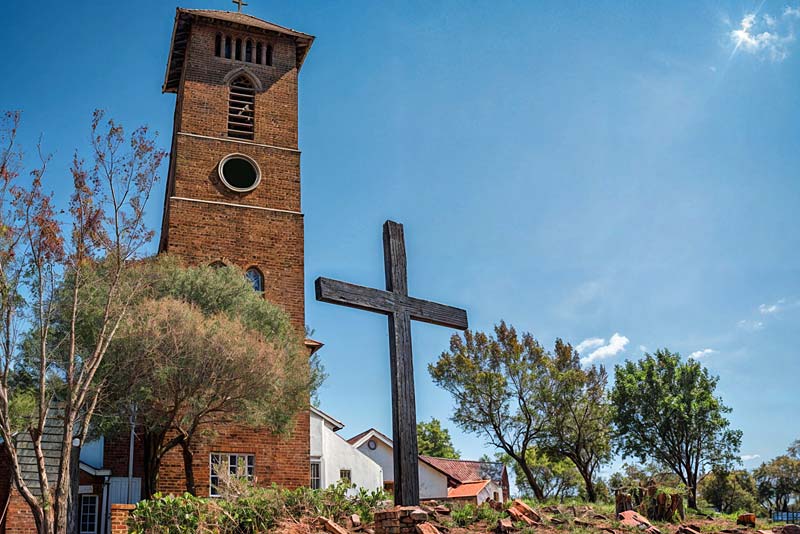
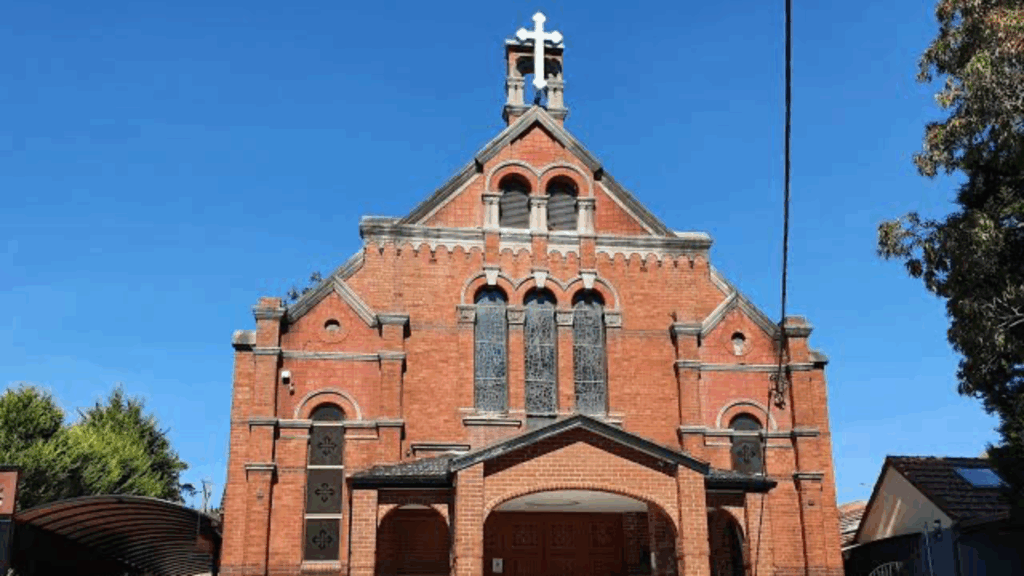
Christ the King Anglican Church

Christ the King Anglican Church, built in 1935 by Frank Fleming, became famous under Archbishop Trevor Huddleston for its role in anti-apartheid activism. One of the few Sophiatown buildings to survive forced removals, it features a wooden-beamed ceiling and once housed a vibrant mural by Sister Margaret. After decades of vandalism and multiple ownerships, the Anglicans restored it in 1997. The church continues to welcome worshippers, preserving its historic and spiritual significance while awaiting full mural restoration.

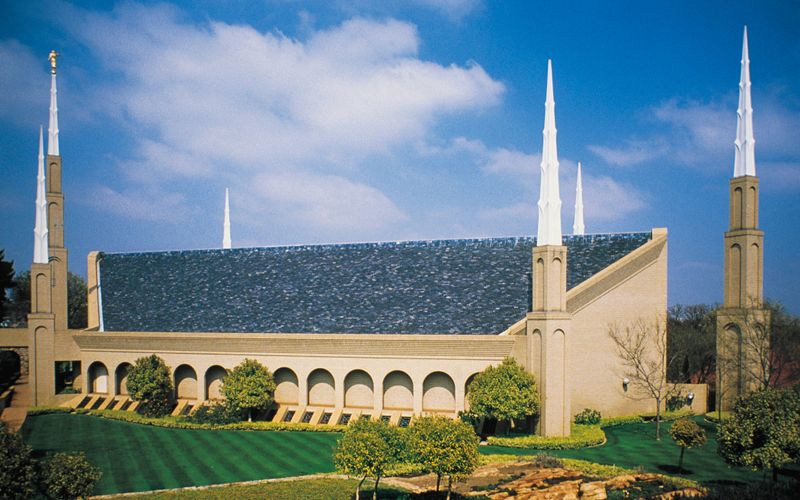
Church of Latter Day Saints, Parktown

The Church of Latter Day Saints (LDS) in Parktown, built in 1985, is the only Mormon temple in Southern Africa. Its six tall white spires, topped with a gold-leafed angel Moroni, make it a striking landmark. The facade of Parktown granite and oatmeal-colour brick, crafted by Portuguese artisans, complements the landscaped gardens. Inside, the temple features a central gold-plated font, wooden panelling, and ceremonial rooms for baptisms and family sealings, serving Johannesburg’s LDS community with elegance and spiritual significance.

Coptic Orthodox Church, Parkview​

The Coptic Orthodox Church in Parkview was established in 1999, evolving from St Winfred’s School founded in 1922. In 1992, the Coptic community acquired land on Selkirk Road, leading to the construction of the Saint Mark Coptic Orthodox Cathedral and the Saint Athanasius Theological Institute, completed in 1999. The cathedral serves as a spiritual, educational, and cultural centre for Johannesburg’s Coptic Orthodox community, standing as a testament to the resilience, faith, and growth of the church in South Africa.

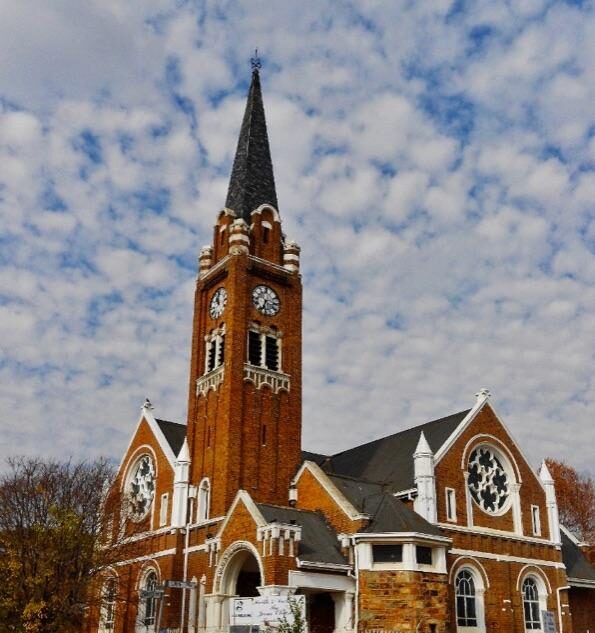
​​Dutch Reformed Church

Designed by architect Hermann Kallenbach and his partner Reynolds, the Dutch Reformed Church in Fairview was completed in 1907. Built in the shape of a Greek cross to fit its square plot, the church features a striking pencil-point steeple that rises above its surroundings. The foundation stone was laid by General Koos de la Rey on 2 May 1906, and the first service was held on 26 January 1907. Declared a national monument in 1973, the church stands as a testament to early 20th-century ecclesiastical architecture in Johannesburg.

Grace Bible Church

Founded in 1983, Grace Bible Church in Pimville has grown from 35 congregants to over 11,000 members. Its 2002 building, designed by O’Neill & Associates, features a 4,200-seat auditorium, large stage, and a foyer for 800. The church engages with township culture through music, language, and practical ministries addressing HIV, substance abuse, youth, leadership, and entrepreneurship. With a distinctive triangular structure and tall spire, it serves as a spiritual, cultural, and community landmark in Soweto.

Greek Orthodox Church, Hillbrow

Built in 1912, the Greek Orthodox Church in Hillbrow is a hidden gem amid high-rise buildings. Its exterior features multi-level roofs and a modest dome, while the interior impresses with chandeliers, green-marbled columns, carved wooden pulpit, granite floors, and a three-storey blue-painted dome. Originally serving Greek immigrants from Yeoville, Berea, and Hillbrow, it now welcomes congregants from across Johannesburg, remaining a vibrant spiritual and cultural hub of the city’s Greek Orthodox community.

Johannesburg Melrose Shree Siva Subramaniar Temple, Abbotsford

Originally founded nearly a century ago, the Melrose Shree Siva Subramaniar Temple was rebuilt in 1996 to serve Johannesburg’s Hindu community. Declared a national monument in 1981, it remains a vital spiritual and cultural centre. Preserved through the efforts of the Transvaal Tamil Benefit Society, the temple continues to host worship, festivals, and cultural events – a lasting symbol of resilience, faith, and the heritage of the Tamil and Hindu communities.
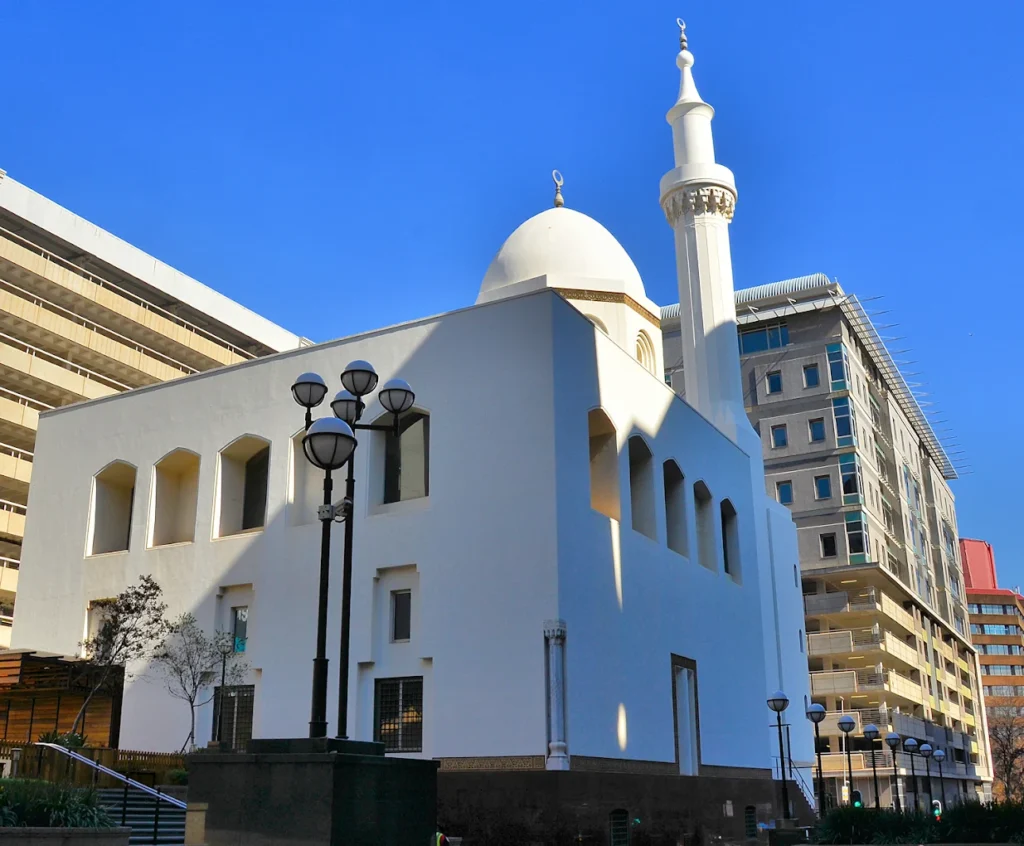
Kerk Street Mosque, Johannesburg

The Kerk Street Mosque, Johannesburg’s first Friday mosque, is the city’s third mosque on the site. The current building, completed in the late 1980s, features a white façade, large dome, elegant minaret, and intricate North African tilework and plaster. Inside, carved arches, brass chandeliers, and wooden lattice balconies adorn the prayer hall. Angled precisely 11° to face Mecca, it accommodates around 1,700 worshippers and serves as a prominent spiritual, cultural, and architectural landmark in the city’s downtown.
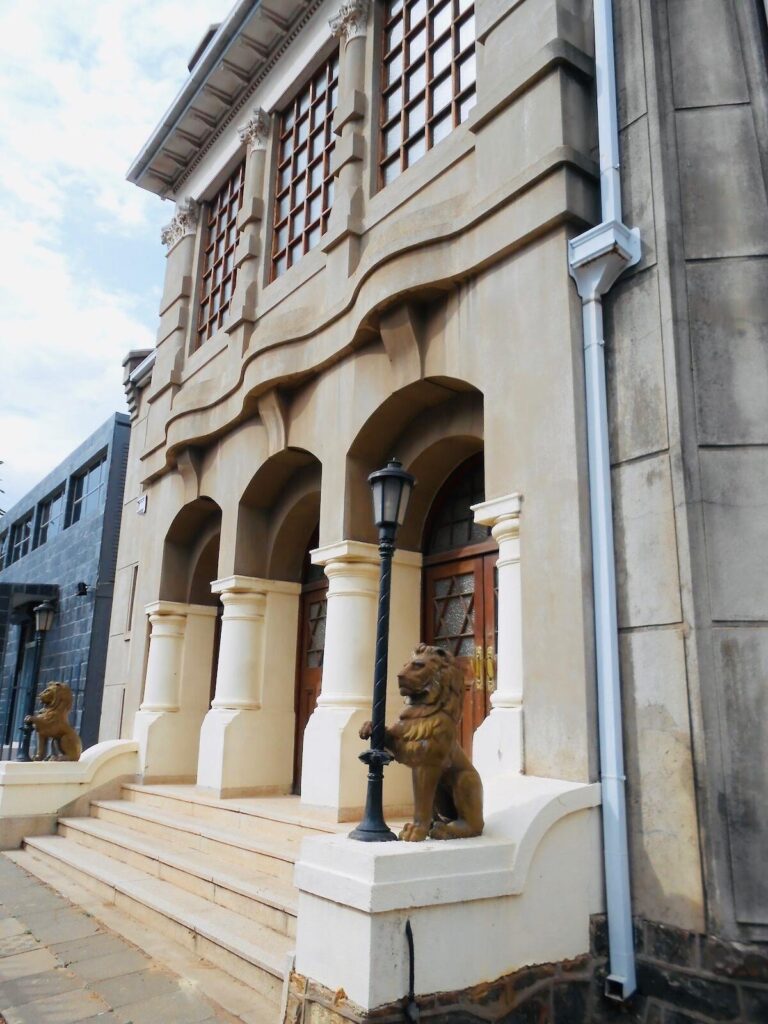
Lions Shul, Doornfontein, 1906

Built in 1906, the Lions Shul in Beit Street is the last active synagogue in Doornfontein, once a thriving Jewish hub. Named after the two gold-painted lions at its entrance, the synagogue features warm yellow walls, dark wooden pews, and a stained-glass window depicting the Ten Commandments. Seating 350, it draws about 60 congregants weekly and up to 200 on high holidays. Rebuilt after a 1932 fire, the shul endures as a symbol of faith, heritage, and Johannesburg’s early immigrant community.

Search

Looking for something? type in the search box below, and we will try to find it for you.