






The City of Johannesburg is taking decisive action – based on recent research recommendations – to address the looming threat of the heat island effect. Historical temperature trends in Johannesburg indicate a noticeable increase over the past years, signalling the onset of hotter summers. Mzukisi Gwata, the principal specialist in the climate change adaptation unit for the Environment and Infrastructure Services Department (EISD), says this poses potential health hazards, particularly on vulnerable populations such as the poor, those with low adaptive capacity, the elderly, and individuals with pre-existing medical conditions.
Gwata says to tackle the challenge head-on, the City has assembled a core team, drawing expertise from the World Bank, VITO, and PlanAct, in collaboration with the National Treasury of South Africa, the Cities Support Programme, and the Ekurhuleni Metropolitan Municipality.
The study conducted by this collaborative effort revealed that climate change in the Highveld region, home to Johannesburg and Ekurhuleni, has resulted in a temperature increase of over 1.5°C relative to pre-industrial values.
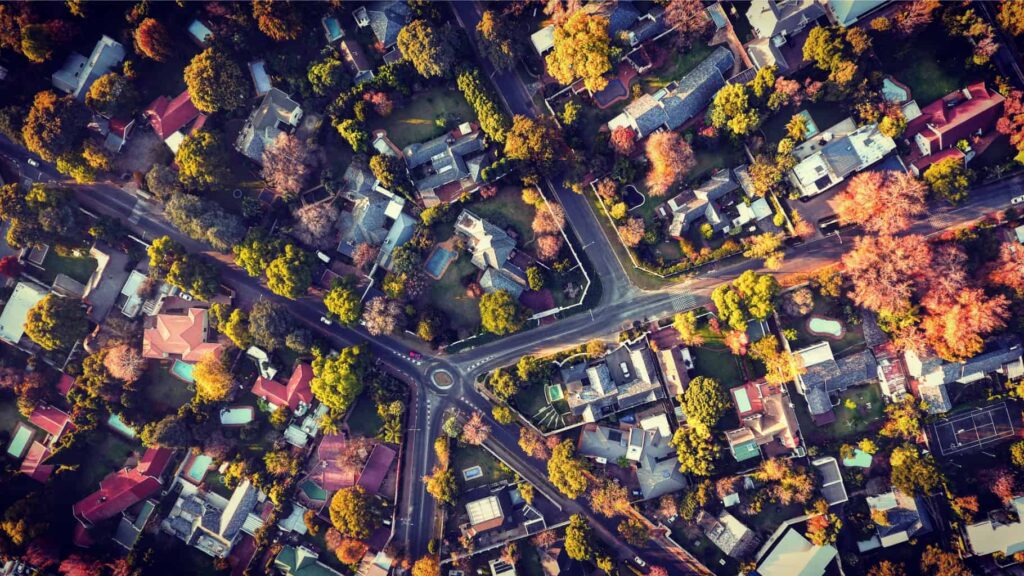
He says the urban heat island phenomenon exacerbates this, exposing both metros to even higher temperatures, particularly in densely populated areas like Soweto and Alexandra.
“A detailed modelling study was conducted to assess this, with the results showing that the excess night-time temperature in both urban areas is higher by up to 6°C compared to nearby rural areas,” he explains.
Following the comprehensive study, a series of recommendations emerged, and the City has already embarked on implementing some of the crucial action points. These include:
· Strategic urban greening: implementation in under-provisioned areas
· Heat-health warning and awareness: activation of initiatives to inform and safeguard residents
· Cooling strategies for low-cost dwellings: exploring solutions for low-cost housing
· Community cool spaces: Establishing shelters to provide relief from excessive heat
· Protection of public spaces: safeguarding both indoor and outdoor areas from extreme heat
· Urban vegetable gardens: encouraging Agro-forestry and community engagement
· Worker protection and productivity: finding means to protect workers and ensure efficient labour
· Minimising energy needs for cooling: Implementing strategies to reduce energy consumption
· Mainstreaming heat mitigation: Incorporating heat mitigation into broader City strategies

Gwata says the Environment and Infrastructure Services Department, alongside other municipal departments, and entities, has swiftly initiated the implementation of these recommendations.
He adds that the City is acutely aware of the dangers of the heat island effect; hence, it’s taking a proactive stance.
“EISD has developed a comprehensive climate action plan (CAP) to reduce emissions and enhance resilience to climate change impacts on vulnerable residents. We have also implemented several awareness campaigns focusing on climate change, the heat island effect, and air quality,” he emphasises.
He notes that Johannesburg City Parks and Zoo (JCPZ) has planted numerous trees, contributing to creating community cooling spaces in densely populated areas.
Departments like Social Development have also successfully launched and implemented greening initiatives, turning residents into urban farmers and entrepreneurs.
While acknowledging that there’s still much work ahead, Gwata emphasises the importance of the study’s findings as a starting point for the City’s comprehensive strategy.
He encourages residents to get involved and urges different departments to collaborate actively, envisioning a safer, heat-free City for all.
“A starting point is the findings received through the study.”
He says the City’s commitment to implementing these recommendations reflects a forward-thinking approach to creating a resilient and sustainable urban environment, mitigating the heat island effect, and ensuring the well-being of its diverse population.
“The City has to do as much as possible to minimise the heat island effect within Johannesburg,” he adds.
To stay informed about the latest developments in the City of Johannesburg, including news articles, event updates, and community initiatives, connect with us on our official social media platforms:
YouTube: https://www.youtube.com/watch?v=kODMdnmGf3c Joburg Pulse Radio: https://www.joburg.org.za/media_/Pages/Radio-pulse.aspx
Written by Sascha-Lee Joseph
19/12/ 2023