

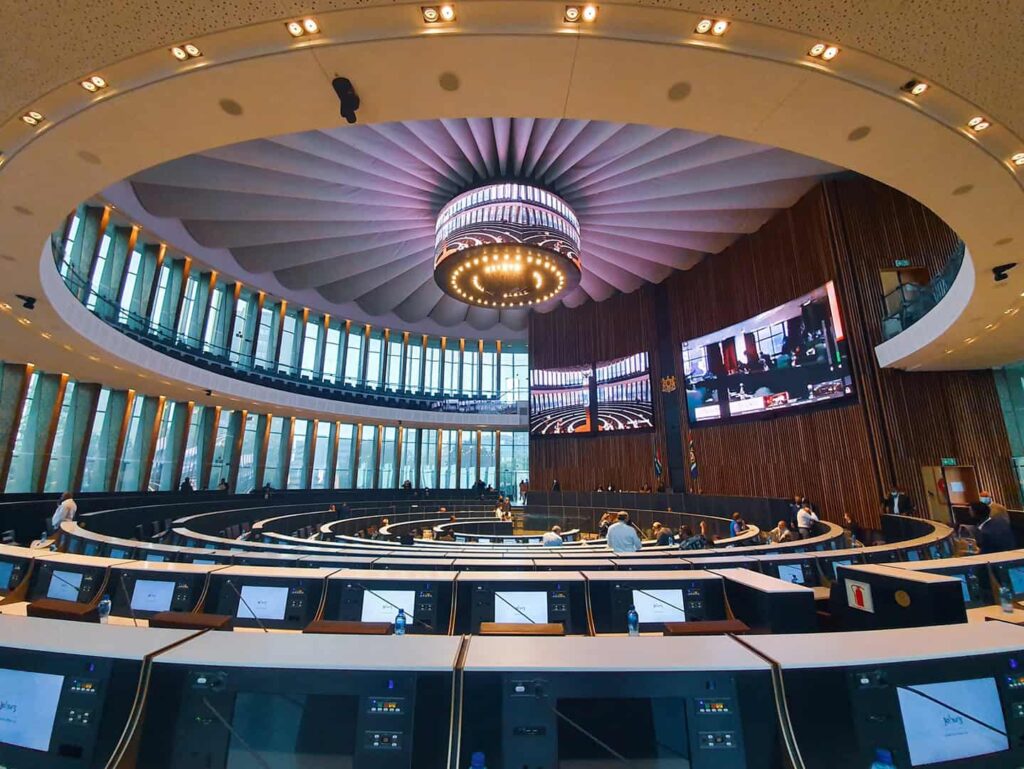






The City of Johannesburg is hosting the South African Cemeteries Association (SACA) National Conference from 25 to 27 August 2025. In partnership with Johannesburg City Parks and Zoo (JCPZ) and the South African Local Government Association (SALGA), the conference will bring together municipal officials, cemetery and crematoria professionals, researchers, planners, and traditional leaders to reimagine burial practices in the context of urbanisation, climate change, and cultural heritage.
“The City of Johannesburg is honoured to host this annual gathering, which reflects our commitment to dignified remembrance, sustainable planning, and innovative land use,” says Jenny Moodley, Senior Manager: Intergovernmental, Advocacy and Media Relations at JCPZ.
Under the theme “Eternal Evolution – Transforming for Sustainability”, delegates will engage in forward-thinking dialogue on spatial constraints, environmental stewardship, and the evolving needs of communities. Keynote presentations will focus on climate resilience, public space innovation, and sustainable burial practices.
Panel discussions will feature representatives from SALGA, the Department of Forestry, Fisheries and the Environment, academia, and traditional leadership, offering diverse perspectives on cemetery transformation. City-led case studies from Johannesburg, Durban, and Cape Town will showcase practical approaches to managing cemeteries in dense urban environments.
Innovations on display will include green fencing, ecological burial methods, digital memorial platforms, and legislative tools for improved operations. The programme will also explore indigenous practices and cultural heritage, highlighting their role in shaping respectful and community-centred burial systems.
SACA Chairperson Pepe Dass says the theme reflects the sector’s journey to adapt burial practices to modern realities: “We hope this conference sparks collaboration, knowledge sharing, and real change for future generations.”
Executive Mayor Councillor Dada Morero adds: “Cemeteries are sacred spaces. This platform ensures that even in rest, our people are cared for with dignity, sustainability, and foresight.”
Written by Sascha-Lee Joseph