






Museums
Discover Joburg’s Museum Treasures
Step into the heart of the city and traverse the rich tapestry of heritage, innovation and memory that defines Johannesburg. From the stirring narratives of struggle and triumph to the triumphs of science, industry and culture, our curated museum-portfolio offers something for every curious mind. Whether you’re an explorer, a scholar or simply someone seeking a deeper connection to this dynamic city, our selection of museums invites you to journey through time, reflect on the present and be inspired for the future.
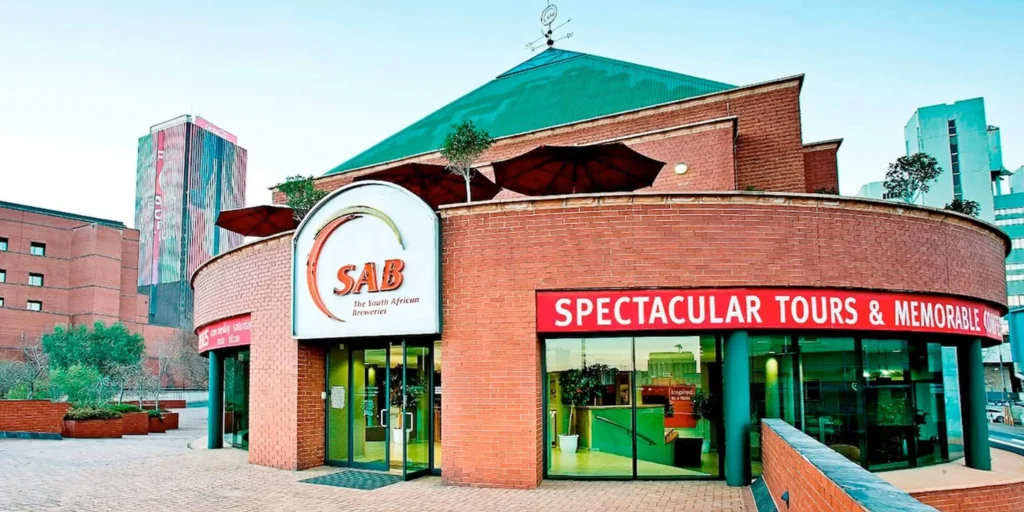
SAB World of Beer
- 15 President Street, Newtown
Beer is enjoyed worldwide, and South African Breweries is one of the largest brewing groups globally. The SAB Museum explores the history of brewing in South Africa, with exhibits on production, culture, and heritage. The entrance fee includes two complimentary beers.
The CE Moss Herbarium
- University of the Witwatersrand, Johannesburg
The CE Moss Herbarium, named after the university’s first professor of botany, houses over 100,000 plant specimens from South Africa and beyond. Many are irreplaceable due to urban development in their original habitats. The herbarium also features a student collection, the Lynette Davidson Library, and a quick guide showcasing representative species for easy reference. It serves as a vital centre for botanical research, education, and conservation within the University of the Witwatersrand.
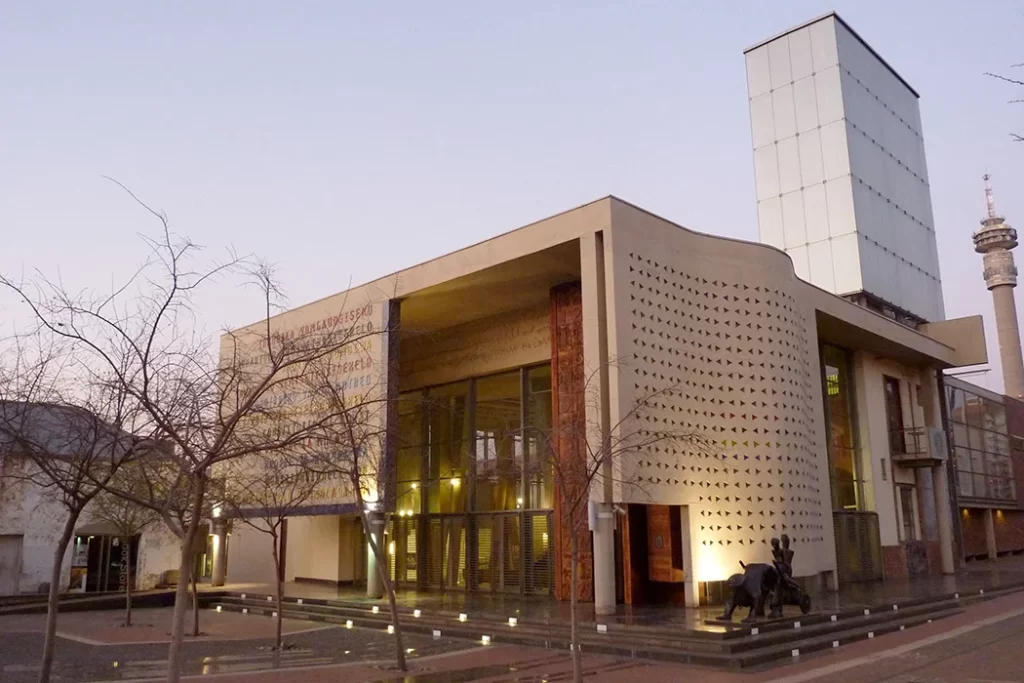
The Constitution Hill Museum
- Corner Kotze and Hospital Streets, Braamfontein, Johannesburg
Constitution Hill, formerly the site of the notorious Old Fort and Number Four prisons, is now a museum and home to South Africa’s Constitutional Court. Visitors explore the harsh conditions endured by political prisoners during apartheid through interactive exhibits, audiovisual presentations, and original artefacts. The site highlights the stories of resistance and resilience, while the Constitutional Court showcases freedom, equality, and justice. Guided tours and educational programs provide a powerful insight into Johannesburg’s history and the struggle for human rights.

The Geology Museum
- Museum Africa, 121 Bree Street, Newtown
The Geology Museum, inside Museum Africa, displays over 17,000 artefacts showcasing South Africa’s geological history. Visitors explore themed exhibits, including the Treasure Room and Freak Show Room, and learn about the country’s rich gold deposits. Displays trace the formation of the first continents, illustrating Africa’s geological evolution. The museum offers an engaging educational experience, revealing how natural processes shaped the land and highlighting the mineral wealth and geological diversity that make South Africa unique.
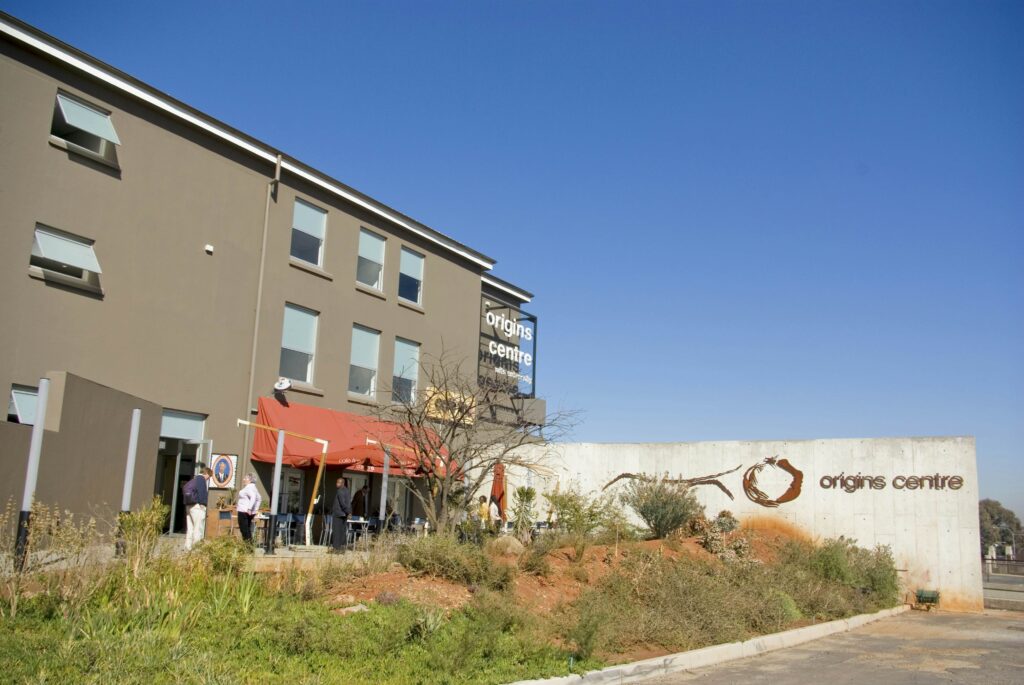
The Origins Centre
- The Wedge Complex, University of the Witwatersrand, Corner Yale Road & Jorissen Street, Braamfontein
The Origins Centre is the world’s only museum dedicated to the history of modern humankind. Exhibits showcase the origins of humankind, San rock art, and genetic research linking early Homo sapiens to the present. Visitors can explore interactive displays and narratives that reveal human heritage and evolution. Open Tuesdays to Thursdays 9 am–6 pm, Fridays 9 am–8 pm, and weekends 9 am–5 pm.
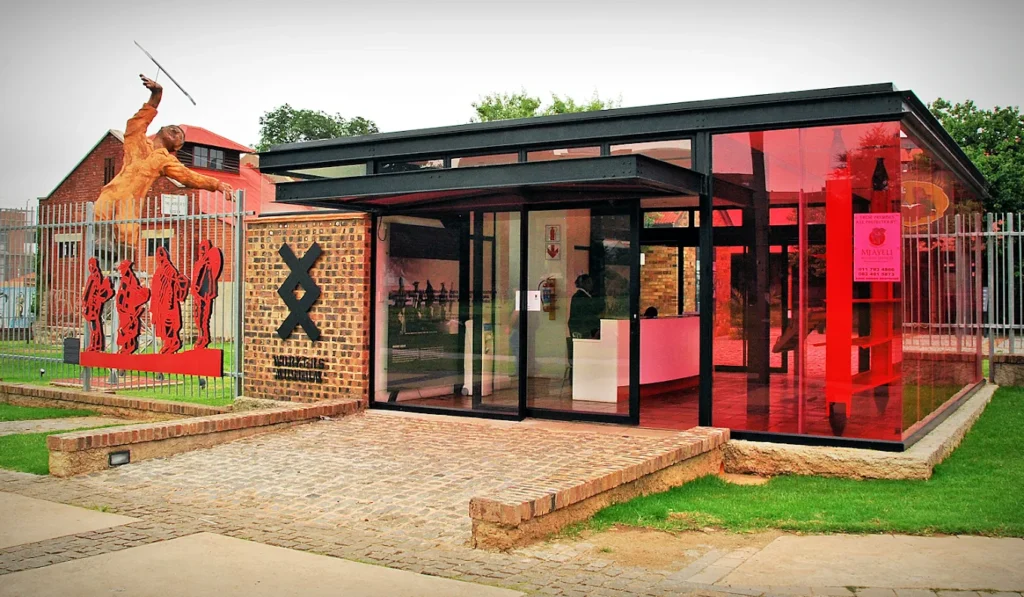
The Workers’ Museum
- 52 Jeppe Street, Newtown, Johannesburg
The Workers’ Museum explores the lives of migrant workers from the early 1900s to the 1970s, highlighting harsh conditions they endured. Permanent exhibits include original dormitories, concrete bunks, and a punishment room. The restored west wing houses the main museum, while the east wing hosts temporary exhibitions and community gatherings. A small library offers resources on labour history and socialist theory. The museum provides poignant insight into Johannesburg’s industrial past and struggles of working-class communities.
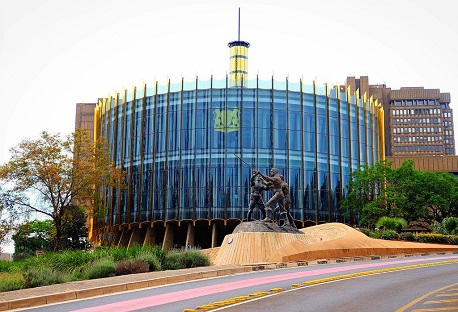
Wits university Zoology Museum
- 1 Jan Smuts Avenue, Oppenheimer Life Sciences Building, Lower Ground Floor, Room LG 18, Braamfontein
The Wits University Zoology Museum, Johannesburg’s only natural history museum, houses over 60,000 specimens, including 40,000 embryological slides – the largest collection in the southern hemisphere. Established more than 75 years ago, its displays are beautifully arranged in teak cabinets for close viewing. The museum serves as a valuable educational resource, allowing visitors and schools to select specimens that illustrate zoological themes and deepen understanding of animal diversity and biological development.