







The Council

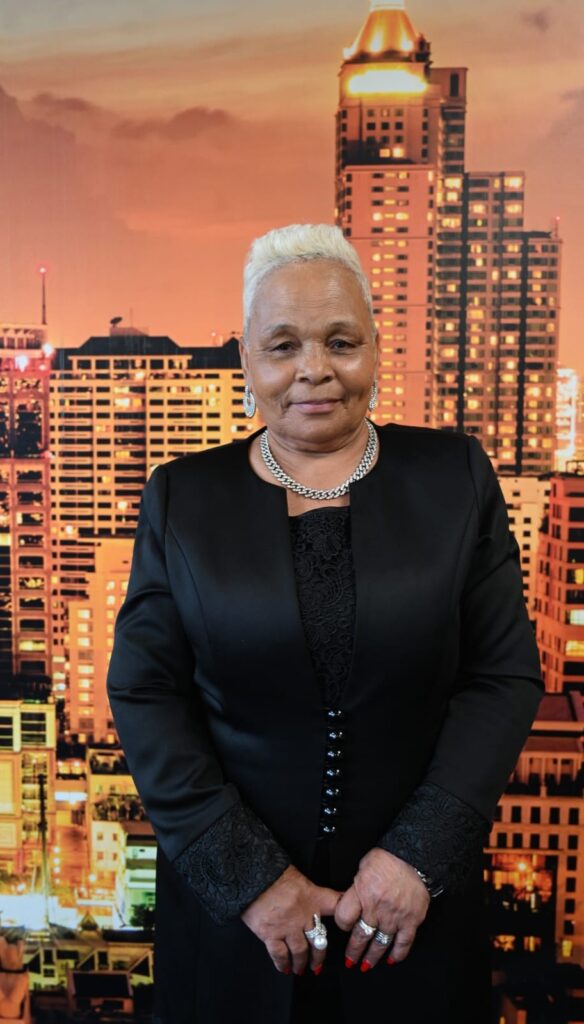
Cllr. Margaret Sheron Arnolds

Speaker of Council

Cllr. Margaret Sheron Arnolds is the Speaker of Council in the City of Johannesburg and a respected public servant with a strong track record in municipal governance. Previously serving as the Member of the Mayoral Committee (MMC) for Finance, she led the City to deliver a fully funded 2025/26 budget, a significant milestone in ensuring fiscal stability and responsible governance. Her leadership portfolio also includes serving as MMC for Community Development, where she championed inclusive development and service delivery.

A finalist in the 2020 Standard Bank Top Women Awards (Public Sector Leader category), and recipient of the South African Local Government Association’s award for Most Supportive Councillor, Cllr. Arnolds is known for her commitment to transparency, collaboration, and sustainable development. Outside of formal governance, she is a dedicated social justice advocate and founder of #MyLifeMatters, an organization supporting victims and survivors of Gender-Based Violence (GBV), with a special focus on women and children.

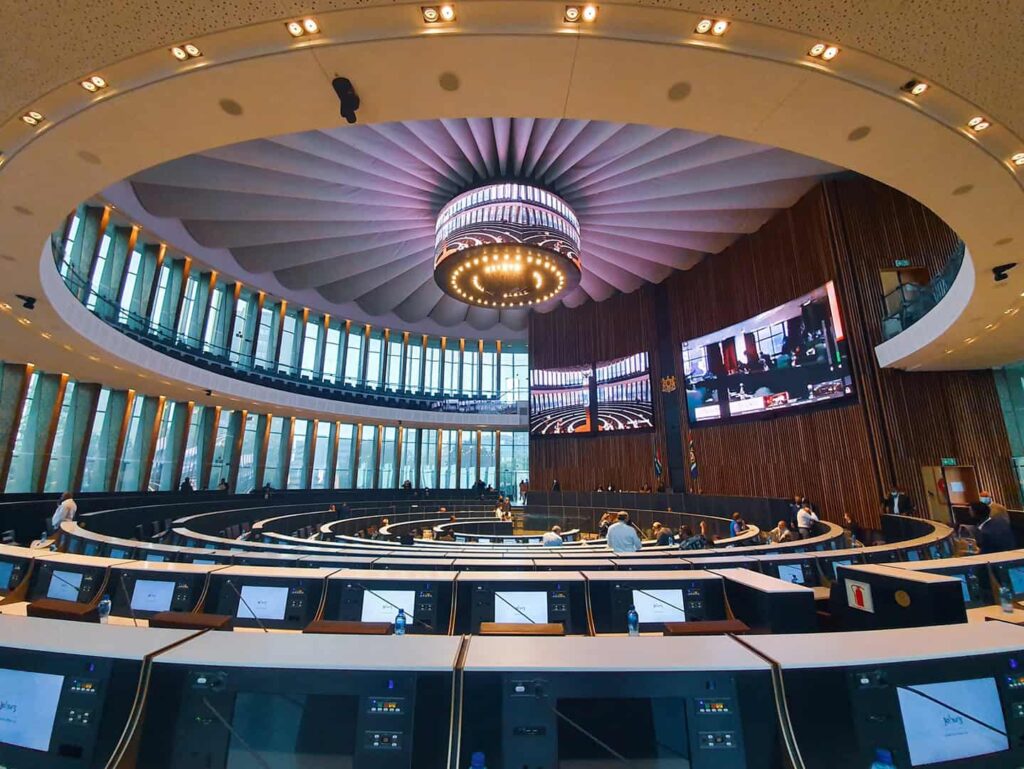
About the Council

Composition of the Council

ANC

90

DA

71

ACTIONSA

44

EFF

29

PA

9

IFP

7

VF Plus

4

ACDP

3

Aljama

3

AIC

2

AHC

1

APC

1

ATM

1

COPE

1

GOOD

1

PAC

1

UDM

1

UIM

1
Chief Whip:    Cllr Sithembiso Zungu


Speaker of Council – Cllr Margarete Arnolds

Cllr Margaret Sheron Arnolds was born and bred in Albertville, West of Johannesburg, during the height of apartheid. Shortly after the dawn of democracy in 1997, Cllr Arnolds joined the Inkatha Freedom Party (IFP) when “coloured” communities were overlooked with the writing-off of water and electricity arrears.

 
Arnolds says she felt that the IFP raised issues pertinent to her marginalised community. She later left the IFP and joined the National Democratic Convention as the national spokesperson. In 2014, she joined the African Independent Congress (AIC) as an administrator. She helped the party build its membership in Gauteng and headed elections programmes.
 

In 2016, Cllr Arnolds was elected as a Proportional Representative (PR) councillor representing the AIC. During this time, she chaired the Community Development Section 79 Committee twice. She was also a Chairperson for the EISD Section 79 Committee.

Cllr Arnolds is the eldest of five children. She has three children of her own, seven grandchildren and one great-grandchild. When she is not busy with work or cooking for the family, she enjoys watching South African soapies on television

 
Other Council:
NamePosition / Title (MMC for)
Cllr Dada MoreroMMC: Finance
Cllr Ennie MakhafolaMMC: Health and Social Development
Cllr Kenny KuneneMMC: Transport
Cllr Anthea Natasha LeitchMMC: Housing / Human Settlements
Cllr Lubabalo MagwentshuMMC: Community Development
Cllr Loyiso MasukuMMC: Group Corporate and Shared Services
Cllr Eunice MgcinaMMC: Development Planning
Cllr Nomoya Daphney MnisiMMC: Economic Development
Cllr Sepetlele RaserutheMMC: Public Safety
Cllr Jack Sekwaila (Mr Jack Sekwaila)

MMC: Environment and Infrastructure Services

Section 79 Committees

​​​Section 79 committees, also known as portfolio committees, monitor the delivery and outputs of the executive. Each one monitors a council portfolio and may call departments, municipal entities and members of the mayoral committee to account.

 
These committees play an oversight role and are not delegated any decision-making powers. They are responsible for submitting reports to the council.​​​

                                            ​​             

Standing Committees
These are permanent committees that deal with council matters. They have some decision-making powers related to the legislative branch of the council.

​Standing Committee Rules
Developing and approving rules for proceedings
Determining focus areas with respect to councillors’ responsibilities
Allocation of membership to the various committees​

Petitions and Public

Ensuring proper and timeous responses to petitions directed to the City’s departments and entities.
Ensuring enhancement of public participation, with rigorous monitoring of all public participation processes and systems.\
Monitoring of the functioning of ward committees.

Ensuring the incorporation of ward needs into the council.

Ethics/Disciplinary

Ensuring declarations of the financial interest committee
Ensuring compilation of the Register of Financial Interest on an annual basis
Considering any alleged breaches of the Code of Conduct by councillors

Programming

Considering and approving items/motions on the council agenda
Agreeing on the allocation of speaking time for the items and motions contained in the council agenda

Public Accounts

Provision of political oversight to financial management and accounts
Ensuring that residents of the City of Johannesburg get “value for money”

Audit

The committee serves as a link between the council, departmental heads, internal and external auditors municipal entities
The committee reviews the financial reporting by the external auditors as well as the activities of the internal audit
It provides independent oversight over financial management and accounts​​.​
 

A. OBJECTIVE OF THE COMMITTEE

 
1.To promote the realisation of the vision, strategic objectives and priorities of the City of Johannesburg.
2.To assist the Council in developing and administering standing rules for Council meetings for its efficient functioning of the Council as a decision making body.
3.To develop and monitor the implementation of procedures and rules for the efficient functioning of the committees of Council.
4.To develop, advise and monitor the implementation of Council’s policy with regard to Civic Functions and presentations.
5.To diligently perform its power and functions in terms of these terms of references.
 
B. POWERS OF RECOMMENDATION AND REPORTS
 
Unless otherwise instructed by the Council, the Rules Committee may consider and make recommendations to the Council on the following:
1.The development, amendment or substitution of the Council’s standing rules for Council meetings.
2.The procedures and rules for section 79 and ward committees as required by the Local Government Municipal Structures Act, 1998.
3.Allocation of membership to the various committees.
4.The determination and/or formulation of policy and procedures regarding the appointment of members of Council as substitute (replacement) on Committees as well as alternates.
5.The general capacitation of Councillors to ensure that they execute their responsibilities.
6.The determination and/or formulation of policies regarding privileges and benefits of and use-of facilities by members of the Council.
7.The determination and/or formulation of guidelines of policy and procedure in respect of local and international conferences, overseas and other trips undertaken by Councillors, including the consideration of financial implications thereof.
8.The appointment to, substitution or cancellation of membership of Council’s representatives on outside bodies or its membership of such bodies that do not fall directly under the control or responsibility of a Portfolio Committee.
9.Allowances for Councillors, including subsistence and travelling allowances for Councillors who are away from Council on Council business.
10.Applications for the hosting of Civic Functions of a metropolitan significance exceeding an amount of R75 000-00.
11.Mayoral ceremonial regalia and protocol arrangements, including those of Councillors.
12.The making of awards where the Seal of the Council is required.
13.Requests received by Regiments of the South African National Defence Force for the granting of Freedom of the City of Johannesburg to them.
14.The identification and consideration of applications of persons who have rendered exceptional service to the City of Johannesburg and/or its people for conferment of the Freedom of the City of Johannesburg to them.
15.Metropolitan Civic Funeral and Memorial Services.
16.Requests for wreath laying and commemorative services by Service and Military Organisations.
17.The formulation and submission of policy and criteria pertaining to all matters mentioned in Paragraphs above.
18.Any other matters which Council may determine from time to time.
 
C. DELEGATED POWERS
 
The Rules Committee shall have final decision making power on the following matters:
1.The power to determine privileges and benefits of and use of facilities by members of the Council within the policy framework determined by the Council.
2.In terms of the standing rules for Council meetings, to decide whether the ruling of the Speaker as to the interpretation of the standing rules was correct, or whether it should be amended or substituted, provided that except for him/her being present for the purpose of his/her explaining the reasons for his/her being ruling he/she may in his/her sole and absolute discretion excuse him/herself from the meeting during the consideration of an item of this nature.
3.The making of rules pertaining to the keeping of attendance registers in terms of the standing rules for Council meetings and in respect of meetings of all committees of the Council and the procedure for notification of absence from such meetings.
4.The submission of proposals or comments on any matter affecting local government in terms of legislation proposed by the provincial or national legislature or any law which does not fall within the sphere of operation of any other committee of the Council.
5.To consider and resolve within a policy framework approved by the Council applications for the hosting of Civic Functions of a Metropolitan significance not exceeding an amount of R75 000-00.​​

​A. OBJECTIVE OF THE COMMITTEE

1.To ensure that the Petitions Policy, as approved by the Council is implemented and that it functions efficiently.
2.To continually monitor the implementation and efficacy of the Petitions Policy and to ensure that it satisfies the Council’s aims for its establishment, namely:
i.To efficiently address all written public requests and grievances timeously;
ii.To increase the effectiveness and efficiency of existing petitions policy processes within Council.
iii.To establish benchmarks and practice on ways of increasing access to Council to address all issues and matters for all sectors of the community; and
iv.​To provide (information and knowledge) a platform to the public on how to interact with Council in an open, transparent and productive manner.
 
B. POWERS OF RECOMMENDATION AND REPORTS
 
1.The Committee must submit quarterly and annual reports to Council indicating all the petitions received, and a summary of the response to the petitioners/community.
2.Unless otherwise instructed by the Council, the Petitions Committee may consider and make recommendations to the Council on the development, amendment or substitution of the Council’s Petitions Policy or any matter related to.
 
C. POWERS OF BINDING DECISION MAKING
 
The Petitions Committee shall have final decision-making powers on the following matters:
1.The power to determine the Council’s response to each petition.
2.The power to directly respond to the petitioners.
3.The power to direct and instruct for further investigations regarding the petitions.
4.The power to route the petition and/or attend to the petitions in any other responsible manner.
5.The power to subpoena any person to attend a Committee meeting and answer questions relating to a petition, and any aspect which such person is involved in.
6.The power to determine the appropriate method of reporting the outcome of the petitions to the petitioners and/or community and to oversee such reporting back.
7.To provide information and knowledge to the public.

A. OBJECTIVES OF THE COMMITTEE :

 
1.To deal with matters of ethics and discipline of councillors.
2.To deal with the Register of financial interest.
 
B. POWERS AND FUNCTIONS OF THE COMMITTEE
 
1.Ensuring that declarations of financial interests are submitted.
2.Ensuring compilation of the Register of Financial Interest on an annual basis.
3.The Committee must comply with Item 7 of the Code of Conduct for Councillors.
4.The Committee is empowered to amend the Declaration of Financial Interests Form of Councillors and where the current declaration forms need amendment, a presentation must be made to the Committee.
5.The Committee must perform its functions and exercise its powers reasonably assigned to it by The Speaker of Council and in terms of resolutions taken in Council.
6.The Committee shall meet bi-monthly and report to council quarterly on its activities or as and when the cases it investigates are concluded.
7.The Chairperson shall have the power to convene special meeting of the Committee to consider urgent matters assigned to it in terms of 5 above.
8.The Committee shall have the power to investigate and make a finding on any alleged breach of the Code of Conduct for Councillors and the Standing Rules in accordance with the procedure laid down in of Item 14 of the Code of Conduct and Standing Rules of Council.
9.The Committee shall have the power to make appropriate recommendations to Council in accordance with Item 14 of the Code of Conduct of Councillors​.
 
C. PROCEDURES OF THE COMMITTEE
 
1.Meetings of the Ethics/Disciplinary Committee must be held in closed session when the Committee considers a matter affecting a Councillor and the Committee regards that matter to be confidential.
2.A matter before the Committee is decided when there is agreement on the matter among the majority of the members present provided the quorum requirements are met.
3.In considering any matter assigned to it in terms of Clause 5 above regarding the conduct of councillors, the Committee must investigate the matter in accordance with the Code of Conduct for Councillors, any other applicable legislation and Chapter 11 of the Standing Rules of Council, 2013.​​

Unless otherwise instructed by the Council, the Johannesburg Social Housing Company shall consider and make recommendations to Council on the following matters :

 
A LEGISLATIVE ROLE
 
IDP, Budget and By-law Process
1.The consideration and oversight of the development of the IDP and budget in respect of the Human Settlements Department and its Municipal owned entity (MOE), the Johannesburg Social Housing Company (JOSHCO).
2.The consideration of the quarterly performance reports of the Human Settlements Department and its Municipal owned entity (MOE), the Johannesburg Social Housing Company.
3.To exercise oversight over the development and implementation of all by- laws, strategies and policies of the Human Settlements Department and its Municipal owned entity (MOE), the Johannesburg Social Housing Company.
4.The consideration and oversight of draft tariffs, fees and charges in respect of Human Settlements Department functions in the City.
 
B PARTICIPATORY AND REPRESENTATIVE ROLE
 
1.Promote public participation in the Committee’s activities.
2.Ensure public consultation on any new by-law referred by Council and/or Programming Committee.
3.Promote public participation in the key planning processes of the City as they relate to Human Settlements Department and its Municipal Owned Entity (MOE), The Johannesburg Social Housing Company.
4.Ensure that key issues of public concern relating to the Human Settlements Department and its Municipal Owned Entity (MOE), the Johannesburg Social Housing Company are brought to the attention to Council.
 
OVERSIGHT ROLE
 
1.Exercise oversight over the quarterly performance of the Human Settlements Department and its Municipal Owned Entity (MOE), the Johannesburg Social Housing Company.
2.Exercise oversight over any matter referred to the Committee by the Speaker, Council and/or its Programming Committee.
3.Exercise oversight over any matter or activity of the Human Settlements Department that will be of concern to the Committee.
4.Invite the MMC or any official of the Human Settlements Department to account on any matter of interest to the Committee.
 
 
D REPORTS/RECOMMENDATIONS TO COUNCIL
 
1.To make recommendations to Council as a result of the oversight process outlined above.
2.To report on the oversight visits of the Committee.
3.To report Quarterly and Annually on the Performance of the Committee.
4.To submit proposal/comments on Provincial and National Bills and proposed policies affecting local government.​

Unless otherwise instructed by the Council, the Health and Human Development Committee shall consider and make recommendations to Council on the following matters :

 
A. LEGISLATIVE ROLE
 
IDP, Budget and By-law Process
1.The consideration and oversight of the development of the IDP and budget in respect of the Health and Human Development Departments.
2.The consideration of the quarterly performance reports of the Health and Human Development Departments.
3.To exercise oversight over the development and implementation of all by-laws, strategies and policies of the Health and Human Development Departments
4.The consideration and oversight of draft tariffs, fees and charges in respect of Health and Human Development functions in the City.
 
B. PARTICIPATORY AND REPRESENTATIVE ROLE
 
1.Promote public participation in the Committee’s activities
2.Ensure public consultation on any new by-law proposed by the Health and Human Development Departments
3.Promote public participation in the key planning processes of the City as they relate to Health and Human Development Departments
4.Ensure that key issues of public concern relating the Health and Human Development Department are brought to the attention of Council.
 
C. OVERSIGHT ROLE
 
1.Exercise oversight over the quarterly performance of the Health and Human Development Department.
2.Exercise oversight over any matter referred to Council by its Programming Committee.
3.Exercise oversight over any matter or activity of the Health and Human Development Departments that will be of concern to the Committee.
4.Invite the MMC or any official of the Health and Human Development Department to account on any matter of interest to the Committee.
 
D. REPORTS/RECOMMENDATIONS TO COUNCIL
 
1.To make recommendations to Council emanating from oversight process outlined above.
2.To report on the oversight visits of the Committee.
3.To report Quarterly and Annually on the Performance of the Committee.
4.To submit proposal/comments on Provincial and National Bills and proposed policies affecting local government.​
​Unless otherwise instructed by the Council, the Finance Committee shall consider and make recommendations to Council on the following matters :
 
A. LEGISLATIVE ROLE
 
IDP, Budget and By-law Process​
1.The consideration and oversight of the development of the IDP and budget in respect of the Finance and Revenue and Customer Relations Management Department.
2.The consideration of the quarterly performance reports of the Finance and Revenue and Customer Relations Management Department.
3.To exercise oversight over the development and implementation of all by-laws, strategies and policies of the Finance and Revenue and Customer Relations Management Department.
4.The consideration and oversight of draft tariffs, fees and charges in respect of Finance and Revenue and Customer Relations Management functions in the City.
 
B. PARTICIPATORY AND REPRESENTATIVE ROLE
 
1.Promote public participation in the Committee’s activities
2.Promote public participation in the key planning processes of the City as they relate to Finance and Revenue and Customer Relations Management Department.
3.Ensure that key issues of public concern relating the Finance and Revenue and Customer Relations Management Department are brought to the attention of Council.
 
C. OVERSIGHT ROLE
 
1.Exercise oversight over the quarterly/annual performance of the Finance and Revenue and Customer Relations Management Department.
2.Exercise oversight over any matter referred to the Committee by the Speaker, Council and/or its Programming Committee.
3.Exercise oversight over any matter or activity of the Finance and Revenue and Customer Relations Management Department that will be of concern to the Committee.
4.Invite the MMC or any official of the Finance and Revenue and Customer Relations Management Department to account on any matter of interest to the Committee.
 
D. REPORTS/RECOMMENDATIONS TO COUNCIL
 
1.To make recommendations to Council as a result of the oversight process outlined above.
2.To report quarterly/annually on the oversight activities of the Committee.
3.To report on the oversight visits of the Committee.
4.To submit proposal/comments on Provincial and National Bills and proposed policies affecting local government.​

Unless otherwise instructed by the Council, the Environment, Infrastructure and Services Committee shall consider and make recommendations to Council on the following matters :

 
A. LEGISLATIVE ROLE
 
IDP, Budget and By-law Process The consideration and oversight of the development of the IDP and budget in respect of the Environment, Infrastructure and Services Departments and their Municipal Owned Entities (MOEs), (Johannesburg Water, Johannesburg City Power and Pikitup).
1.The consideration of the quarterly and annual performance reports of the Environment, Infrastructure and Services Departments and their MOEs (Johannesburg Water, Johannesburg City Power and Pikitup).
2.To exercise oversight over the development and implementation of all by-laws, strategies and policies of the Environment, Infrastructure & Services Departments.
3.The consideration and oversight of draft tariffs, fees and charges in respect of environmental, infrastructure and services functions in the City.
 
B. PARTICIPATORY AND REPRESENTATIVE ROLE
 
1.Promote public participation in the Committee’s activities.
2.Ensure public consultation on any new by-law referred by Speaker, Council and/or Programming Committee.
3.Promote public participation in the key planning processes of the City as they relate to Environment, Infrastructure & Services Departments.
4.Ensure that key issues of public concern relating to the Environment, Infrastructure & Services Departments are brought to the attention of Council.
 
C. OVERSIGHT ROLE
 
1.Exercise oversight over the quarterly and annual performance of the Environment, Infrastructure & Services Departments and their MOEs (Johannesburg Water, Johannesburg City Power and Pikitup)
2.Exercise oversight over any matter referred to the Committee by the Speaker, Council and/or its Programming Committee.
3.Exercise oversight over any matter or activity of the Environment, Infrastructure & Services Departments and their MOEs (Johannesburg Water, Johannesburg City Power and Pikitup, that will be of concern to the Committee).
4.Invite the MMC or any official of the Environment​, Infrastructure and Services Departments to account on any matter of interest to the Committee.
 
D. REPORTS/RECOMMENDATIONS TO COUNCIL
 
1.To make recommendations to Council as a result of the oversight process outlined above.
2.To report on the oversight visits of the Committee.
3.To report Quarterly and Annually on the Performance of the Committee.
4.To submit proposal/comments on Provincial and National Bills and proposed policies affecting local government.​

Unless otherwise instructed by the Council, the Economic Development Committee shall consider and make recommendations to Council on the following matters :

 
A. LEGISLATIVE ROLE
 
IDP, Budget and By-law Process
1.The consideration and oversight of the development of the IDP and budget in respect of the Economic Development Department and its Municipal Owned Entities (MOEs) (Joburg Market (JM), Johannesburg Tourism Company (JTC), Joburg Property Company (JPC) and Metropolitan Trading Company) (MTC).
2.The consideration of the quarterly performance reports of the Economic Development Department and its MOEs (JM), (JTC), (JPC) and (MTC).
3.To exercise oversight over the development and implementation of all by-laws, strategies and policies of the Economic Development Department.
4.The consideration and oversight of draft tariffs, fees and charges in respect of Economic Development functions in the City.
 
B. PARTICIPATORY AND REPRESENTATIVE ROLE
 
1.Promote public participation in the Committee’s activities.
2.Ensure public consultation on any by-laws referred by Council and/or Programming Committee.
3.Promote public participation in the key planning processes of the City as they relate to Economic Development Department
4.Ensure that key issues of public concern relating the Economic Development Department are brought to the attention of Council.
 
C. OVERSIGHT ROLE
 
1.Exercise oversight over the quarterly and annual performance of the Economic Development Department and its MOEs (Joburg Market, Johannesburg Tourism Company, Joburg Property Company and Metropolitan Trading Company)
2.Exercise oversight over any matter or activity of the Economic Development Department and its MOEs (Joburg Market, Johannesburg Tourism Company, Joburg Property Company and Metropolitan Trading Company).
3.Invite the MMC or any official of the Economic Development to account on any matter of interest to the Committee
4.Exercise oversight over any matter referred to the Committee by the Speaker, Council and/or its Programming Committee.
 
D. REPORTS/RECOMMENDATIONS TO COUNCIL
 
1.To make recommendations to Council as a result of the oversight process outlined above.
2.To report quarterly and annually on the oversight activities of the Committee.
3.To report on the Oversight visits reports.
4.To submit proposal/comments on Provincial and National Bills and proposed policies affecting local government.

Unless otherwise instructed by the Council, the Public Safety Committee shall consider and make recommendations to Council on the following matters :

 
A. LEGISLATIVE ROLE
 
IDP, Budget and By-law Process
1.The consideration and oversight of the development of the IDP and budget in respect of the Johannesburg Metro Police Department (JMPD) and the Emergency Management Services Department.
2.The consideration of the quarterly performance reports of the JMPD and the Emergency Management Services Department (EMS).
3.To exercise oversight over the development and implementation of all by-laws, strategies and policies of the Johannesburg Metro Police Department and the Emergency Management Services Department (EMS).
4.The consideration and oversight of draft tariffs, fees and charges in respect of Johannesburg Metro Police Department and the Emergency Management Services Department (EMS) functions in the City.
 
B. PARTICIPATORY AND REPRESENTATIVE ROLE
 
1.Promote public participation in the Committees activities
2.Ensure public consultation on any new by-law proposed by the Johannesburg Metro Police Department (JMPD) and the Emergency Management Services Department
3.Promote public participation in the key planning processes of the City as they relate to Johannesburg Metro Police Department and the Emergency Management Services Department
4.Ensure that key issues of public concern relating the Johannesburg Metro Police Department and the Emergency Management Services Department are brought to the attention of Council.
 
C. OVERSIGHT ROLE
 
1.Exercise oversight over the quarterly performance of the Johannesburg Metro Police Department and the Emergency Management Services Department.
2.Exercise oversight over any matter referred to the Committee by the Speaker, Council and/or its Programming Committee.
3.Exercise oversight over any matter or activity of the Johannesburg Metro Police Department and the Emergency Management Services Department that will be of concern to the Committee.
4.Invite the MMC or any official of the Johannesburg Metro Police Department and the Emergency Management Services Department to account on any matter of interest to the Committee
 
D. REPORTS/RECOMMENDATIONS TO COUNCIL
 
1.To make recommendations to Council as a result of the oversight process outlined above.
2.To report on the oversight visits of the Committee.
3.To report quarterly and annually on the oversight activities of the Committee.
4.To submit proposal/comments on Provincial and National Bills and proposed policies affecting local government.​​

Unless otherwise instructed by the Council, the Transport Committee shall consider and make recommendations to Council on the following matters :

 
A. LEGISLATIVE ROLE
 
IDP, Budget and By-law Process
1.The consideration and oversight of the development of the IDP and budget in respect of the Transportation Department .
2.The consideration of the quarterly performance reports of the Transportation Department, JRA and Metrobus.
3. To exercise oversight over the development and implementation of all by-laws, strategies and policies of the Transportation Department
4.The consideration and oversight of draft tariffs, fees and charges in respect of transportation functions in the City.
 
B. PARTICIPATORY AND REPRESENTATIVE ROLE
 
1.Promote public participation in the Committee’s activities
2. Ensure public consultation on any new by-law referred by Council and/or its Programming Committee.
3.Promote public participation in the key planning processes of the City as they relate to Transportation Department
4. Ensure that key issues of public concern relating to the Transportation Department are brought to the attention of Council.
 
C. OVERSIGHT ROLE
 
1.Exercise oversight over the quarterly and annual performance of the Transportation Department and its MOEs (Johannesburg Roads Agency and Metrobus).
2. Exercise oversight over any matter referred to the Committee by the Speaker, Council and/or its Programming Committee.
3.Exercise oversight on any matter based on its own initiative.
4.Exercise oversight over any matter or activity of the Transportation Department, JRA and Metrobus that will be of concern to the Committee.
5. Invite the MMC or any official of the Transportation Department to account on any matter of interest to the Committee.
 
D. REPORTS/RECOMMENDATIONS TO COUNCIL
 
1. To make recommendations to the Council as a result of the oversight process outlined above.
2. To report on the oversight visits of the Committee.
3. To report Quarterly and Annually on the Performance of the Committee.
4. To submit proposal/comments on Provincial and National Bills and proposed policies affecting local government.

​Unless instructed otherwise by Council, the Oversight Committee on Governance shall consider and make recommendations to Council on the following matters:

 
A.LEGISLATIVE ROLE
 
IDP, Budget and By-law Process​
1.Consider and exercise oversight over Integrated Development Planning (IDP) process in respect of the Office of the Executive Mayor and its Departments;
Strategy and Monitoring
Municipal Entity Governance and Mayoral Support
Marketing and Communications
Legal and Contracts
Citizen Relationship and Urban Management
Internal Audit Risk and Compliance; and
Governance Committees (Audit, Risk and Performance Audit Committees),
Consider and exercise oversight over draft budget and the budget process in respect of Office of the Executive Mayor and its Departments.
Consider and exercise oversight on City of Johannesburg’s draft tariffs, fees and charges in respect of services provided by the Office of the Executive Mayor and its Departments.
 
B. PARTICIPATORY AND REPRESENTATIVE ROLE
 
1.Promote and involve the public in the consideration and review of legislative matters in the office of the Executive Mayor including IDP process, budget process and all by-law consultation processes.
 
C. OVERSIGHT ROLE
 
1.Consider quarterly performance reports of the Office of the Executive Mayor and its departments of
2.Exercise oversight over implementation of key policies and programmes implemented by the Office of the Executive Mayor and its Departments.
3.Consider the City of Johannesburg Annual Report in as far as it relates to the Office of the Executive Mayor and its Departments
 
D. REPORTS/RECOMMENDATIONS
 
1.To make recommendations to Council as a result of the legislative, oversight and public participation mandate outlined above.
2.To report quarterly on the activities of the Committee to Chairpersons Committee and Council

Councillor Vhonani Adolph Marema, popularly known as “Son of the Hunter,” is a seasoned public representative, community leader, and development activist who currently serves as the Chair of Chairs in the City of Johannesburg Legislature.

Born on 26 February 1981 in Ha-Matsa, a rural village in Limpopo, Cllr Marema’s early life was shaped by both rural and urban influences. He relocated to Alexandra Township in Johannesburg in 1987, where he lived with his parents and completed part of his secondary education at Wynberg Business College.

Driven by a passion for develop​ment and organisational leadership, Cllr Marema pursued a Diploma in Marketing Management at Wynberg Business College (1999–2000), followed by a BTech qualification in Information and Communications Technology (ICT) at the University of South Africa (UNISA) between 2002 and 2006.

Before entering formal politics, he built a solid professional career across the ICT and FMCG sectors, working for major companies including MultiChoice, DDB South Africa, Momentum, and the Smollan Group. Starting as a network support and call-centre agent, he progressed into roles such as Administrative Network Specialist and Senior Network Specialist. During this period (2007–2013), he also completed several short courses to deepen his technical expertise.

Cllr Marema’s political activism was rooted in youth and student politics. He served in leadership roles within the UNISA branch of the South African Students’ Congress (SASCO) and later joined the African National Congress Youth League (ANCYL), where he became a Branch Chairperson. His grassroots activism and organisational leadership culminated in his election as a Ward Councillor in 2016, marking the beginning of his first five-year term.

In 2021, he was re-elected for a second term as a Ward Councillor in the City of Johannesburg. During this period, he chaired five portfolio committees, served as a Whip of Council in Region E, and was appointed Deputy Chief Whip of the ANC Caucus. He also became President of 30 Strong Voices of Alex, a non-profit organisation dedicated to community upliftment and local economic development in Alexandra.

In recognition of his leadership, governance acumen, and commitment to public service, Cllr Marema was appointed as the Chair of Chairs of the City of Johannesburg Legislature. In this capacity, he provides strategic leadership to Section 79 Committees, strengthens legislative oversight, and advances accountable and responsive governance.

Cllr Marema has completed a Bachelor of Public Administration degree at Regent Business School. To further advance his academic and professional development, he has enrolled for an Honours degree at Regent Business School.

Widely respected for his principled leadership, accessibility, and dedication to service delivery, Councillor Marema is known across Johannesburg as a champion of community development and youth empowerment. Beyond his political role, he is a father, brother, mentor, and role model to many young people in Alexandra and beyond.

Senior Management

NamePosition / Title
Mr Tiaan EhlersHead of Department: Environment and Infrastructure Services
Jan ErasmusActing Group Strategy, Policy and Relations
Hlobohang GamedeDeputy Director: Council Risk Unit Management
Feroz KhanExecutive Head: Revenue and Customer Relations Management
Mlandu KonaGroup Head: Group Governance
Kepi MadumoExecutive Director: Community Development
Ms Candice MolefeActing Group Head: Group Communications & Marketing
Mr Tshepo MakolaChief Operations Officer / Municipal Manager (Acting)
Mr Mokomane MekgoeActing: Group Head: Community Development
Mr Moses MetileniHead of Department: Housing
Tembeka MhlekwaExecutive Director: Economic Development
Mr Aubrey MochelaGroup Head: Group Information and Communications Technology
Mr Mafoane Isaac MogashoaGroup Head: Legal and Contracts
Mr Tebogo MorakaChief Financial Officer (Group Chief Financial Officer)
Sinovuyo MpakamaGroup Head: Treasury and Financial Strategy
Ms Liziwe NtshingaGroup Head: CRUM
Sinaye NxumaloGroup Head: Risk and Assurance Services
Raj PillayActing Group Head: Group Governance
Mr Ishwar RamdasActing Head of Department: Finance
Mbulelo RudaGroup Head: Corporate and Shared Services
Ms Lisa SeftelExecutive Director: Transport
Ms Vicky ShupingGroup Head: Customer Relations and Urban Management
 

Office of the Integrity Commissioner

The Integrity Commissioner is a neutral, independent person who oversees the conduct of elected and most appointed officials in the City of Johannesburg Metropolitan Council.

Code of Conduct for Councillors

All city councillors for all municipalities in South Africa have to abide by a code of conduct which requires them, among other things, to declare their financial interests, and to report back to the constituencies at regular intervals.

Structure

Mirroring national and provincial government, the City of Johannesburg is made up of a legislative arm (the council); an executive arm (consisting of the executive mayor and the mayoral committee); and an administrative arm.

The Council: Key Documents

Office of the Integrity Commissioner

The Integrity Commissioner is a neutral, independent person who oversees the conduct of elected and most appointed officials in the City of Johannesburg Metropolitan Council.

The standards of behaviour expected of councillors are set out in legislation and other binding documents, the most cardinal of which are Standing Rules and Orders of Council: 2016 and the Code of Conduct for Councillors as provided for in the Local Government: Municipal Systems Act (Act 32 of 2000). Members of Council, as public representatives are required to serve the public interest by upholding the letter and spirit of the standards of behaviour prescribed by these legal instruments. Specifically, the expected standards of behaviour require the City of Johannesburg’s elected and appointed officials to:

  • serve the residents in a conscientious and diligent manner;
  • act with integrity;
  • avoid conflict of interests and improper use of influence; and
  • arrange their private affairs in a way that promotes public confidence and will bear close public scrutiny.

To assist the Council of the City of Johannesburg in upholding and sustaining these standards of behaviour, the Integrity Commissioner performs the following four primary functions as set out in his Terms of Reference applicable to his office:

  • provides written advice to councillors on ethics or integrity issues;
  • maintains and keeps the Register of Members’ financial interests;
  • assesses and investigates complaints of the breach of the Rules and the Code of Conduct; and
  • provides ethics training and development programmes to councillors.

Code of Conduct for Councillors

All city councillors for all municipalities in South Africa have to abide by a code of conduct which requires them, among other things, to declare their financial interests, and to report back to the constituencies at regular intervals. Below is the full text of the code, in Schedule 5 of the Municipal Structures Act:


Preamble

Councillors are elected to represent local communities on municipal councils, to ensure that municipalities have structured mechanisms of accountability to local communities, and to meet the priority needs of communities by providing services equitably, effectively, and sustainably within the means of the municipality. In fulfilling this role, councillors must be accountable to local communities and report back at least quarterly to constituencies on council matters, including the performance of the municipality in terms of established indicators. To ensure that councillors fulfil their obligations to their communities, and support the achievement by the municipality of its objectives set out in section 19 of the Act, the following Code of Conduct is established.


Definitions
  1. In this Schedule, “partner” means a person who permanently lives with another person in a manner as if married.

General Conduct of Councillors
  1. A councillor must:
    • perform the functions of office in good faith, honestly, and in a transparent manner; and
    • at all times act in the best interest of the municipality and in such a way that the credibility and integrity of the municipality are not compromised.

Attendance at Meetings
  1. A councillor must attend each meeting of the municipal council and of a committee of which that councillor is a member, except when:
    • leave of absence is granted in terms of an applicable law or as determined by the rules and orders of the council; or
    • that councillor is required in terms of this Code to withdraw from the meeting.

Sanctions for Non-attendance of Meetings
  1. A municipal council may impose a fine as determined by the standing rules and orders of the municipal council on a councillor for:

    • not attending a meeting which that councillor is required to attend in terms of item 3; or
    • failing to remain in attendance at such a meeting.

    A councillor who is absent from three or more consecutive meetings of a municipal council, or from three or more consecutive meetings of a committee, which that councillor is required to attend in terms of item 3, must be removed from office as a councillor.

    Proceedings for the imposition of a fine or the removal of a councillor must be conducted in accordance with a uniform standing procedure which each municipal council must adopt for the purposes of this item. The uniform standing procedure must comply with the rules of natural justice.


Disclosure of Interests
  1. A councillor must:

    • disclose to the municipal council, or to any committee of which that councillor is a member, any direct or indirect personal or private business interest that that councillor, or any spouse, partner, or business associate of that councillor may have in any matter before the council or the committee; and
    • withdraw from the proceedings of the council or committee when that matter is considered by the council or committee, unless the council or committee decides that the councillor’s direct or indirect interest in the matter is trivial or irrelevant.

    A councillor who, or whose spouse, partner, business associate, or close family member, acquired or stands to acquire any direct benefit from a contract concluded with the municipality, must disclose full particulars of the benefit of which the councillor is aware at the first meeting of the municipal council at which it is possible for the councillor to make the disclosure.

    This section does not apply to an interest or benefit which a councillor, or a spouse, partner, business associate, or close family member, has or acquires in common with other residents of the municipality.


Personal Gain
  1. A councillor may not use the position or privileges of a councillor, or confidential information obtained as a councillor, for private gain or to improperly benefit another person.

    Except with the prior consent of the municipal council, a councillor may not:

    • be a party to or beneficiary under a contract for:
      • the provision of goods or services to the municipality; or
      • the performance of any work otherwise than as a councillor for the municipality;
    • obtain a financial interest in any business of the municipality; or
    • for a fee or other consideration appear on behalf of any other person before the council or a committee.

    If more than one quarter of the councillors object to consent being given to a councillor in terms of subitem (2), such consent may only be given to the councillor with the approval of the MEC for local government in the province.


Declaration of Interests
  1. When elected or appointed, a councillor must within 60 days declare in writing to the municipal manager the following financial interests held by that councillor:

    • shares and securities in any company;
    • membership of any close corporation;
    • interest in any trust;
    • directorships;
    • partnerships;
    • other financial interests in any business undertaking;
    • employment and remuneration;
    • interest in property;
    • pension; and
    • subsidies, grants, and sponsorships by any organisation.

    Any change in the nature or detail of the financial interests of a councillor must be declared in writing to the municipal manager annually.

    Gifts received by a councillor above a prescribed amount must also be declared in accordance with subitem (1).

    The municipal council must determine which of the financial interests referred to in subitem (1) must be made public having regard to the need for confidentiality and the public interest for disclosure.


Full-time Councillors
  1. A councillor who is a full-time councillor may not undertake any other paid work, except with the consent of a municipal council, which consent shall not unreasonably be withheld.

Rewards, Gifts, and Favours
  1. A councillor may not request, solicit, or accept any reward, gift, or favour for:
    • voting or not voting in a particular manner on any matter before the municipal council or before a committee of which that councillor is a member;
    • persuading the council or any committee in regard to the exercise of any power, function, or duty;
    • making a representation to the council or any committee of the council; or
    • disclosing privileged or confidential information.

Unauthorised Disclosure of Information
  1. A councillor may not, without the permission of the municipal council or a committee, disclose any privileged or confidential information of the council or committee to any unauthorised person.

    For the purpose of this item, “privileged or confidential information” includes any information:

    • determined by the municipal council or committee to be privileged or confidential;
    • discussed in closed session by the council or committee;
    • disclosure of which would violate a person’s right to privacy; or
    • declared to be privileged, confidential, or secret in terms of law.

    This item does not derogate from the right of any person to access information in terms of national legislation.


Intervention in Administration
  1. A councillor may not, except as provided by law:
    • interfere in the management or administration of any department of the municipal council unless mandated by council;
    • give or purport to give any instruction to any employee of the council except when authorised to do so;
    • obstruct or attempt to obstruct the implementation of any decision of the council or a committee by an employee of the council; or
    • encourage or participate in any conduct which would cause or contribute to maladministration in the council.

Council Property
  1. A councillor may not use, take, acquire, or benefit from any property or asset owned, controlled, or managed by the municipality to which that councillor has no right.

Duty of Chairpersons of Municipal Councils
  1. If the chairperson of a municipal council, on reasonable suspicion, is of the opinion that a provision of this Code has been breached, the chairperson must:

    • authorise an investigation of the facts and circumstances of the alleged breach;
    • give the councillor a reasonable opportunity to reply in writing regarding the alleged breach; and
    • report the matter to a meeting of the municipal council after paragraphs (a) and (b) have been complied with.

    A report in terms of subitem (1)(c) is open to the public.

    The chairperson must report the outcome of the investigation to the MEC for local government in the province concerned.

    The chairperson must ensure that each councillor when taking office is given a copy of this Code and that a copy of the Code is available in every room or place where the council meets.


Breaches of Code
  1. A municipal council may:

    • investigate and make a finding on any alleged breach of a provision of this Code; or
    • establish special committees:
      • to investigate and make a finding on any alleged breach of this Code; and
      • to make appropriate recommendations to the council.

    If the council or a special committee finds that a councillor has breached a provision of this Code, the council may:

    • issue a formal warning to the councillor;
    • reprimand the councillor;
    • request the MEC for local government in the province to suspend the councillor for a period;
    • fine the councillor; and
    • request the MEC to remove the councillor from office.

    Any councillor who has been warned, reprimanded, or fined in terms of paragraph (a), (b), or (d) of subitem (2) may within 14 days of having been notified of the decision of the council appeal to the MEC for local government in writing, setting out the reasons on which the appeal is based.

    A copy of the appeal must be provided to the council.

    The council may, within 14 days of receipt of the appeal referred to in paragraph (b), make any representation pertaining to the appeal to the MEC for local government in writing.

    The MEC for local government may, after having considered the appeal, confirm, set aside, or vary the decision of the council and inform the councillor and the council of the outcome of the appeal.

    The MEC for local government may appoint a person or a committee to investigate any alleged breach of a provision of this Code and to make a recommendation on whether the councillor should be suspended or removed from office.

    The Commissions Act, 1947 (Act No. 8 of 1947), may be applied to an investigation in terms of subitem (3).

    If the MEC is of the opinion that the councillor has breached a provision of this Code, and that such contravention warrants a suspension or removal from office, the MEC may:

    • suspend the councillor for a period and on conditions determined by the MEC; or
    • remove the councillor from office.

    Any investigation in terms of this item must be in accordance with the rules of natural justice.


Application of Code to Traditional Leaders
  1. Items 1, 2, 5, 6, 9(b) to (d), 10, 11, 12, 13, and 14(1) apply to a traditional leader who participates or has participated in the proceedings of a municipal council in terms of section 81.

    These items must be applied to the traditional leader in the same way they apply to councillors.

    If a municipal council or a special committee in terms of item 14(1) finds that a traditional leader has breached a provision of this Code, the council may:

    • issue a formal warning to the traditional leader; or
    • request the MEC for local government in the province to suspend or cancel the traditional leader’s right to participate in the proceedings of the council.

    The MEC for local government may appoint a person or a committee to investigate any alleged breach of a provision of this Code and to make a recommendation on whether the right of the traditional leader to participate in the proceedings of the municipal council should be suspended or cancelled.

    The Commissions Act, 1947, may be applied to an investigation in terms of subitem (4).

    If the MEC is of the opinion that the traditional leader has breached a provision of this Code, and that such breach warrants a suspension or cancellation of the traditional leader’s right to participate in the council’s proceedings, the MEC may:

    • suspend that right for a period and on conditions determined by the MEC; or
    • cancel that right.

    Any investigation in terms of this item must be in accordance with the rules of natural justice.

    The suspension or cancellation of a traditional leader’s right to participate in the proceedings of a council does not affect that traditional leader’s right to address the council in terms of section 81(3).

Structure

Mirroring national and provincial government, the City of Johannesburg is made up of a legislative arm (the council); an executive arm (consisting of the executive mayor and the mayoral committee); and an administrative arm.

Constitution: Chapter 7 Local Government

 
Council
 
The council focuses on legislative, oversight and participatory roles, delegating its executive function to the executive mayor and the mayoral committee. The council’s principal role is as lawmaker, with the other key role to debate and discuss issues.
 
The council approves by-laws, City policies, the Integrated Development Plan, tariffs for rates and service charges, and the City’s budget.
 
It also has an oversight function and receives regular reports from the executive mayor and the mayoral committee.
 
The primary duty of councillors, particularly ward councillors, is to represent the needs and interests of their constituents. They are responsible for building community involvement, with ward committees playing an important role in providing information on the needs and interests of local communities and ensuring that public voices are heard.
 
Structure of the council
 
The City of Johannesburg has a council made up of 270 councillors representing various political parties. The council debates local government issues – involving both policy and by-laws – and proposals are ratified or rejected.
 
There are various structures dealing with the wide-ranging tasks of council:
 
The Speaker of Council
The Chief Whip of Council
Section 79 committees
Standing committees
Leader of Executive Business
The Executive Mayor and Mayoral committee​

Search

Looking for something? type in the search box below, and we will try to find it for you.