




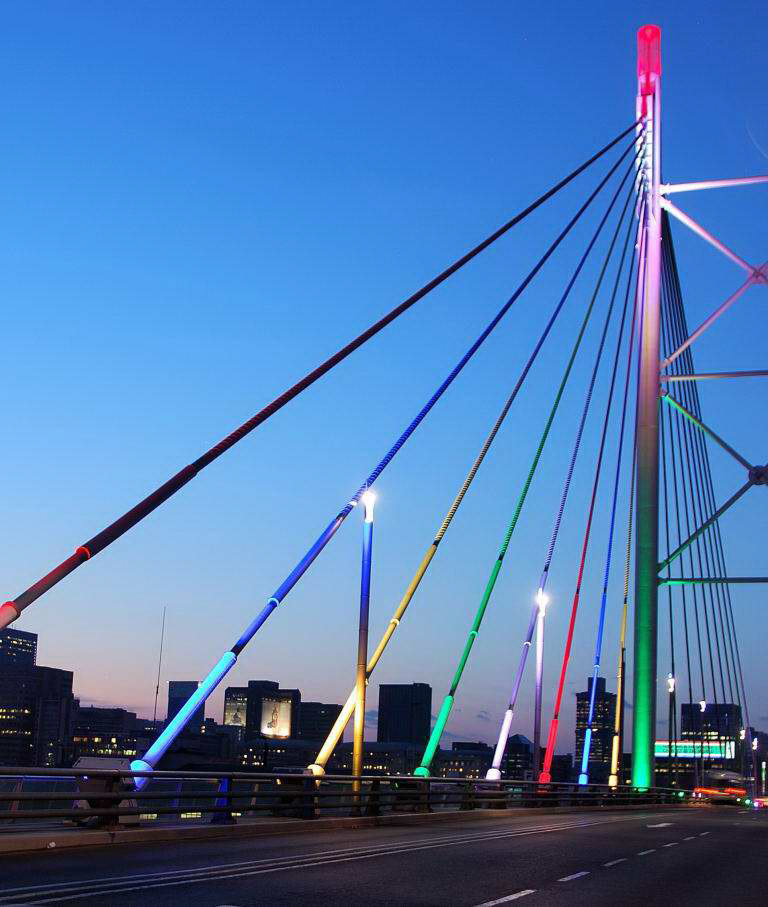

Gold was the biggest attraction to Johannesburg. It put the city on the map and caused rapid development and growth.
On 4 October 1886, the government in Pretoria officially declared digging in Johannesburg legal. People from all over the world flocked to Johannesburg. At that time, digging licences were not issued to black people. The City celebrated 135 years of existence this month in a sedate manner as a result of Covid-19 restrictions.

Flo Bird, the chairman of Johannesburg Heritage Foundation (a voluntary organisation established to preserve Joburg’s rich history) says it was the discovery of gold that made Johannesburg worth coming to. “There’s been other discoveries of gold but they haven’t proved very valuable. In Johannesburg they found good gold.”
Bird says many believed the gold rush would be short-lived. That they would find a lode and when that ran out it was the end. “Ultimately we have the richest gold in the reef. The gold was difficult to get out and led to other industries developing. Special equipment had to be built or imported. It got bigger and bigger because it was so difficult to get it out. And that’s what created the wealth.”
The main Witwatersrand gold reef was discovered in June 1884, triggering the gold rush. In 1886, gold prospectors discovered gold on a farm in Langlaagte. After people flocked to Johannesburg, it rapidly evolved. Buildings like fire stations, post offices and shops expanded and the population grew. Some old buildings still stand. They include the Rissik Street Post Office, which was built in 1897 and survived many fires and vandalism.
Other buildings include the Markham’s Building on Eloff Street, which was built in 1897 and remodeled in 1983. The Three Castles Building on Marshall Street was built in 1898. The Sunnyside, the original house now absorbed into the hotel, was built in 1894, and occupied by Lord Alfred Milner for four years. The Kensington Sanatorium dates from 1897, with an extension added in 1905. (https://www.joburg.org.za/play_/Pages/Play%20in%20Joburg/Culture%20and%20Heritage/Links/Joburg’s-oldest-buildings.aspx)
In the 1950s and early 1960s, the apartheid government constructed massive townships around Johannesburg and further afield. Darker days followed. In March 1960, Johannesburg witnessed widespread demonstrations against apartheid in response to the Sharpeville massacre. On 11 July 1963, the police raided a house in Rivonia where freedom fighters were arrested on charges of planning sabotage. In 1976, the Soweto uprising followed. In 1994, the first election in which people of all races could vote was held.
One hundred and thirty five years later, more and more migrants from within South Africa and outside its borders are still flocking to Johannesburg in search of opportunities.
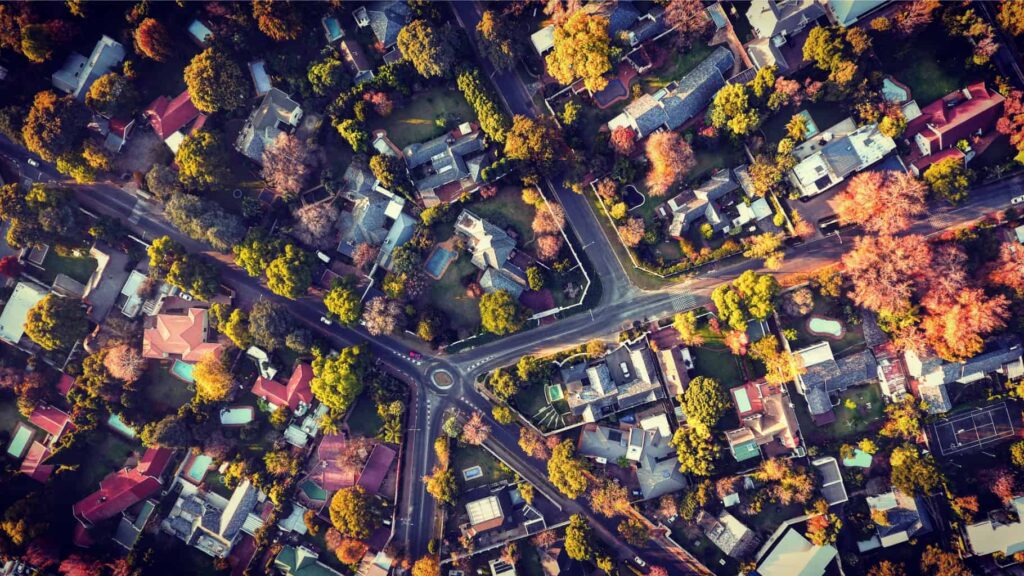
Bird says the city is still multi-cultural, lively and exciting. “The 70s and 80s were dreadful years of suppression and brutal police action. They were horrible years. Big relief came in 1994.” She says for the city’s birthday each year, hundreds of thousands of trees should be planted because climate change is not being approached with any enthusiasm for greening the City.
For its part, the City has been steadily increasing the number of trees in Johannesburg. The Executive Mayor of the City of Johannesburg, Cllr Mpho Moerane, planted a wild olive tree in the park in Emndeni, Soweto to kick start the City’s campaign to plant at least 1 000 trees throughout the Arbor Month in September.
Written by Brümilda Swartbooi
22/10/2021