







As Arbor Month comes to an end in South Africa, Johannesburg City Parks and Zoo (JCPZ) is calling on residents to help grow a greener, more resilient city—one tree at a time.
Over 6 500 street and fruit trees were planted across Johannesburg this September, but JCPZ says this is only the start. Jenny Moodley, Senior Manager for Intergovernmental, Advocacy and Media Relations, and spokesperson for JCPZ, said the City has set an ambitious target.
“Our goal is to plant 50 000 new trees across Johannesburg by June 2026. This target is not just about beautification. It’s about creating a climate-smart city for ourselves, our children, and generations to come,” Moodley explained.
Residents joined the official Arbor Month celebration at Boundary Park in Eldorado Park, Region G, where the MMC for Community Development, Cllr Tebogo Nkokou, led the planting of 1 000 indigenous trees. A further 600 fruit trees were distributed to households to support food security and environmental sustainability.
“This event was about more than digging holes and planting saplings. It’s about building hope, dignity, and a legacy that future generations will be proud of,” Moodley said.
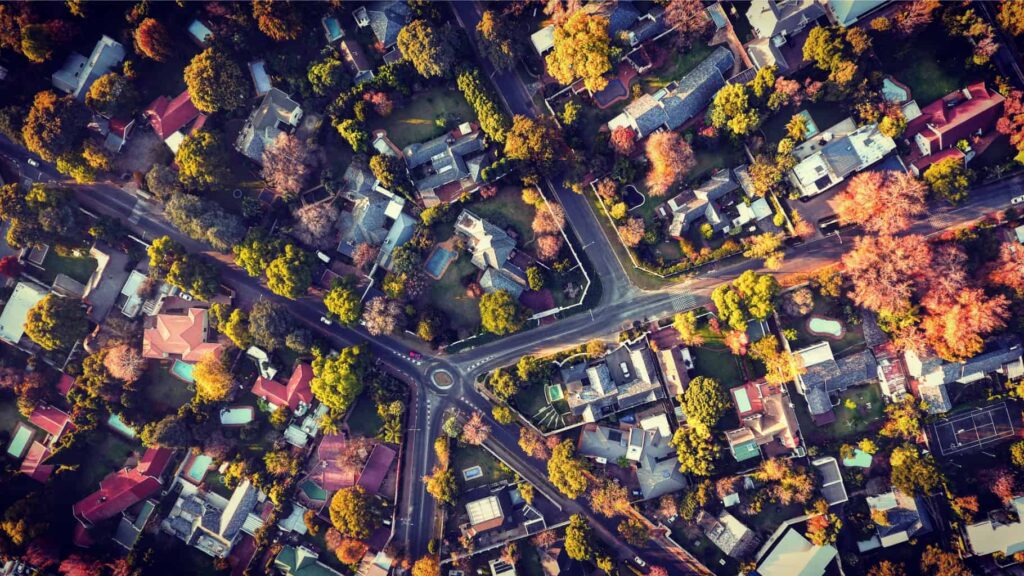
Johannesburg is recognised as the largest man-made urban forest in the world, with more than 3.2 million trees. Yet this green canopy is unevenly spread, with outlying communities often left exposed to heat and pollution.
JCPZ is urging residents to plant and protect trees, reminding them that cutting or removing trees without permission is illegal under municipal by-laws.
“The trees we plant today will be the shade, clean air, and even food of tomorrow. Trees are nature’s air filters, and our lives are deeply connected to them,” Moodley added.
Urbanisation, illegal tree cutting, invasive pests like the shot hole borer beetle, and extreme weather continue to threaten Joburg’s urban forest. Many iconic trees are also nearing the end of their lifespan.
“We must act urgently. The loss of a tree today creates a gap in our ecological future. That’s why we’re asking residents to plant and nurture trees in their homes, schools, places of worship, and neighbourhoods. Together, we can bridge the green divide,” Moodley said.
Written by Sascha-Lee Joseph